by Raúl | Jul 28, 2026 | A1 Beginner English
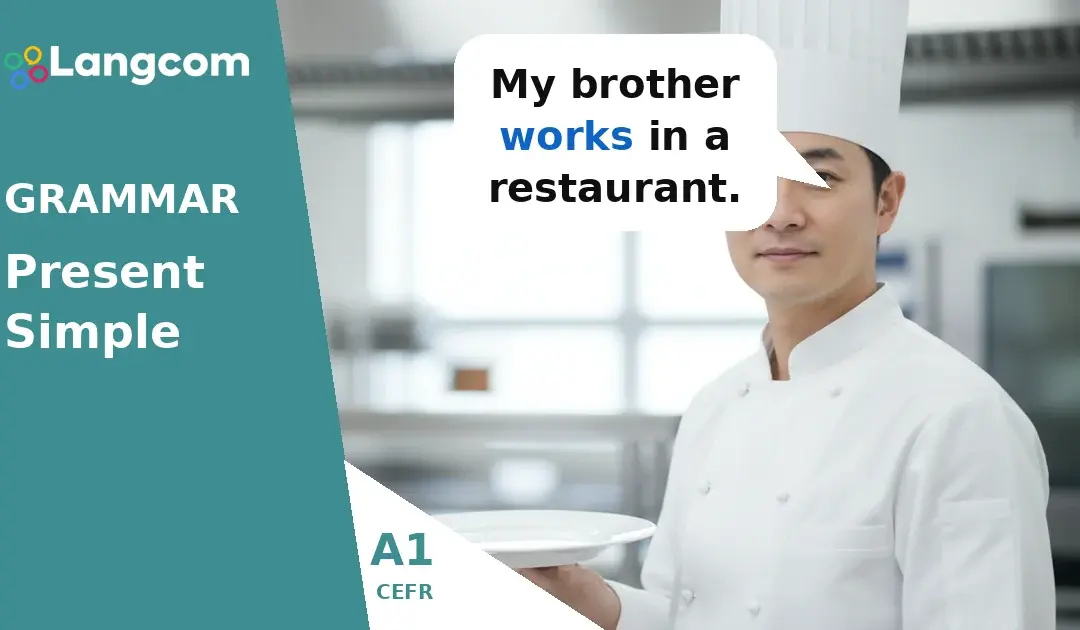
For ‘he’, ‘she’, and ‘it’ in positive Present Simple sentences, we add -s to the verb. This is a very important rule for talking about daily routines, habits, and facts related to one person or thing. For example, He works in an...
by Raúl | Jul 26, 2026 | A1 Beginner English
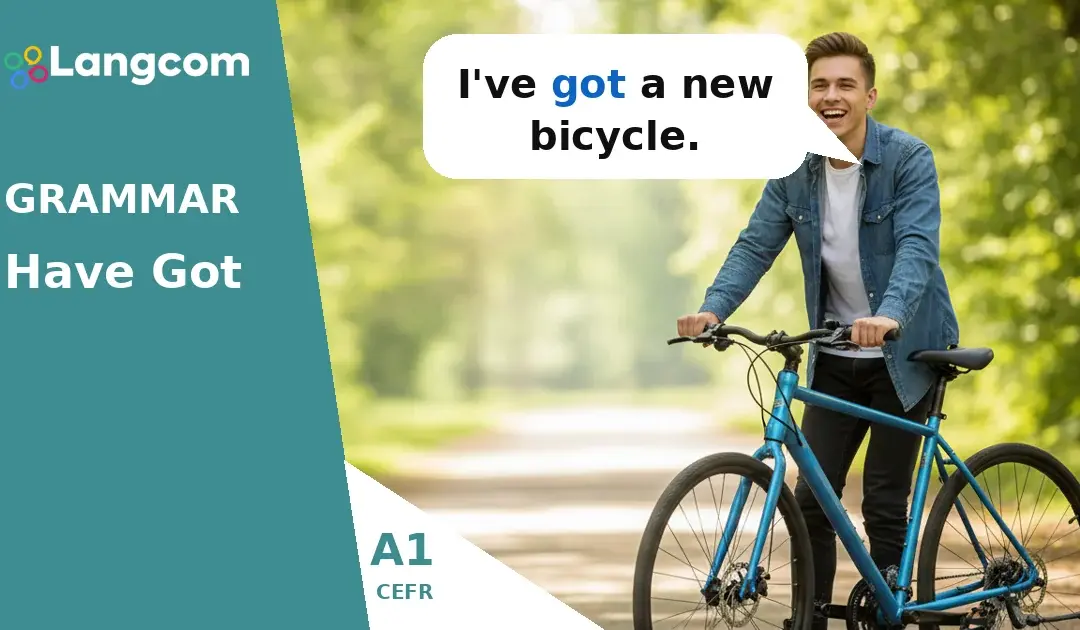
Have got is a very common way to talk about possession, family, and characteristics in English. It means ‘to possess’ or ‘to own’. You use it to say what you have, what someone else has, or to describe people and things. For example, I’ve...
by Raúl | Jul 26, 2026 | A1 Beginner English
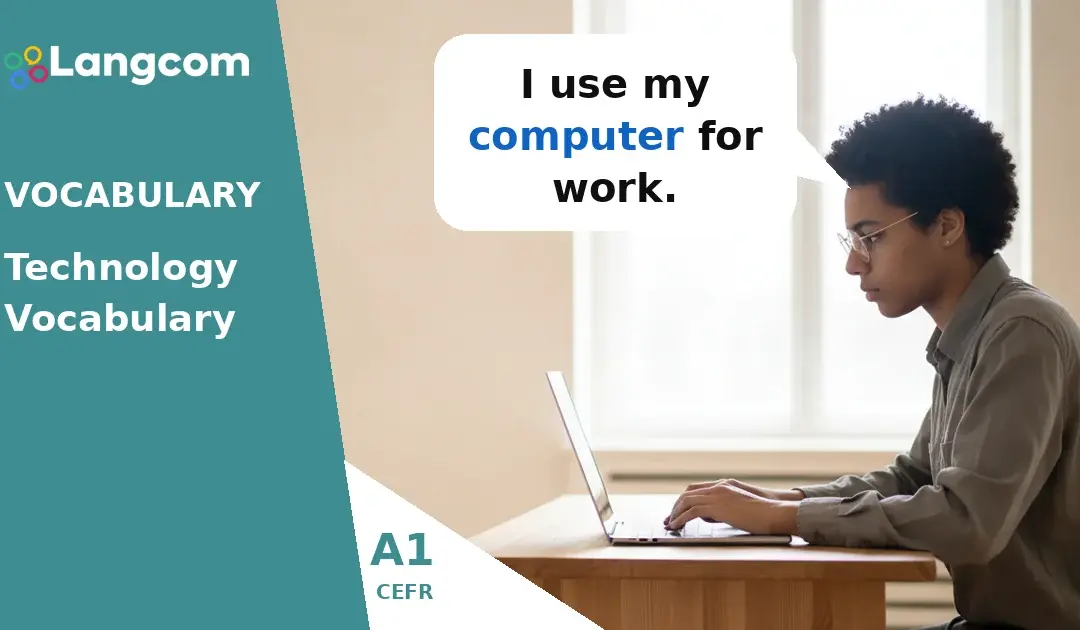
Learning technology vocabulary helps you talk about the devices you use every day. Knowing these words is very useful for A1 English learners. You can describe your phone, your computer, or the device you use to read books. This vocabulary helps you understand...
by Raúl | Jul 25, 2026 | A1 Beginner English
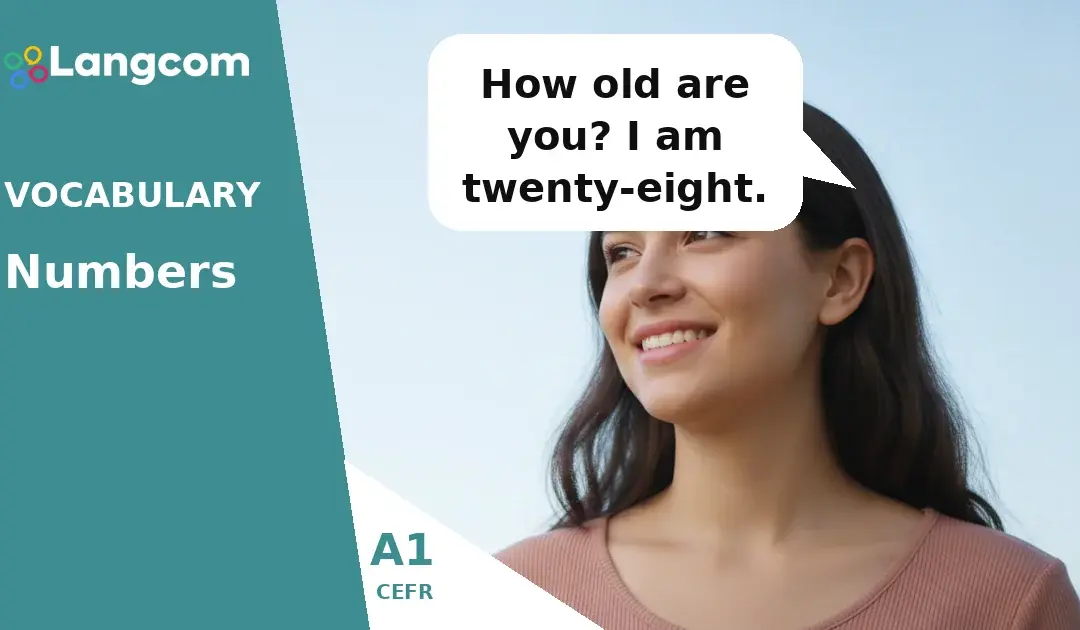
To talk about age in English, you always use the verb to be, not to have. This is a common mistake for Spanish speakers. For example, you say I am 30 years old, not I have 30 years old. To ask someone’s age, use the question How old…?, like How old are...
by Raúl | Jul 25, 2026 | A1 Beginner English
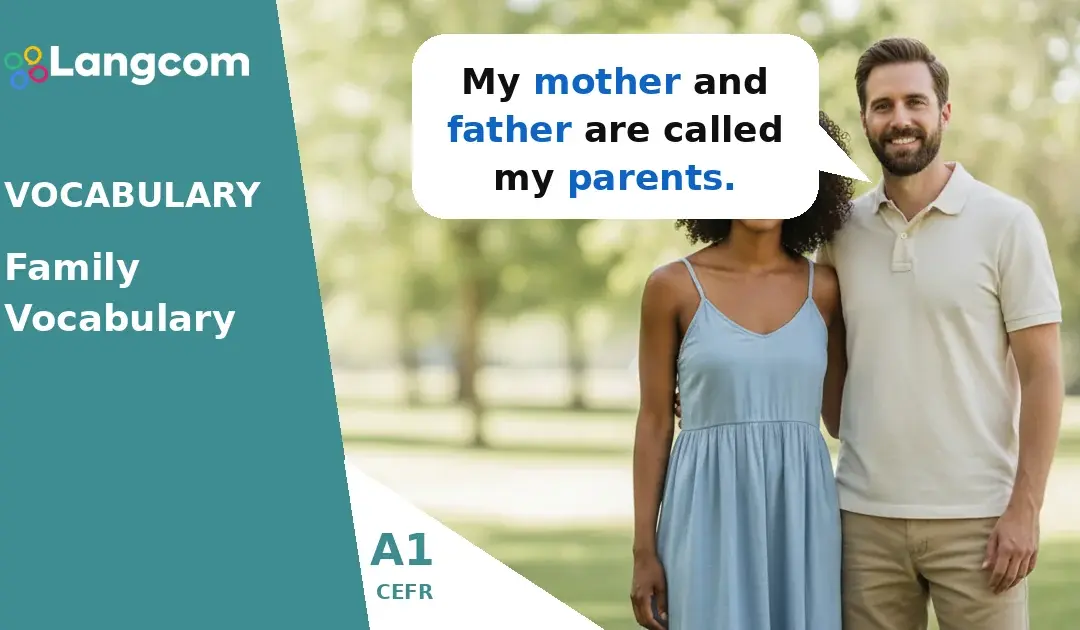
Learning family vocabulary helps you talk about the most important people in your life. In English, we have specific words for each family member, like mother, father, brother, and sister. Understanding these words is a key step for A1 English learners to describe...
by Raúl | Jul 25, 2026 | A1 Beginner English
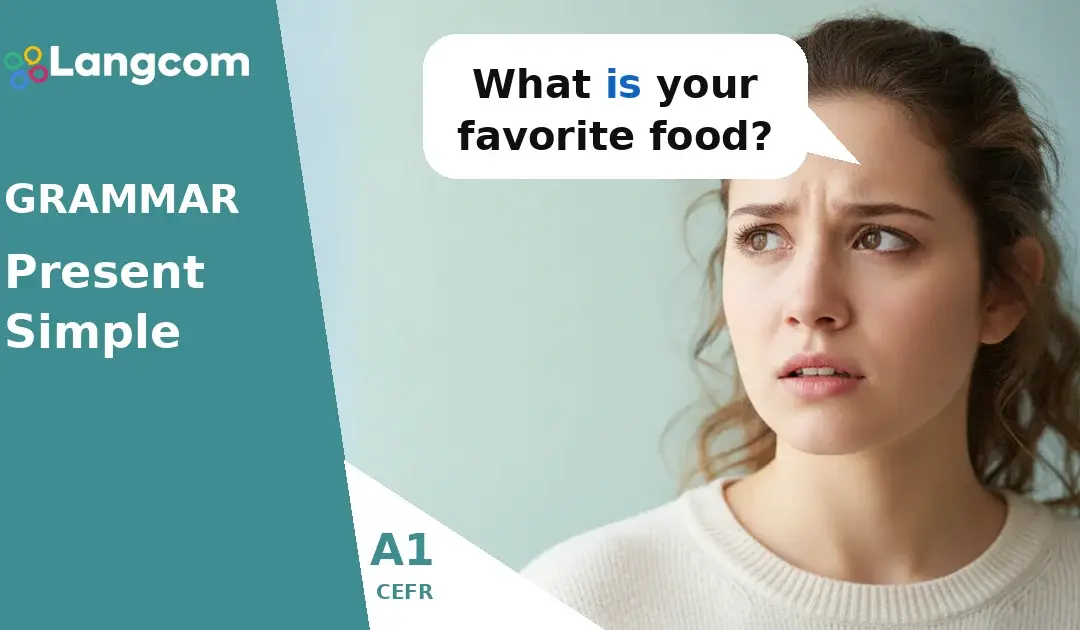
Wh- questions ask for specific information in English and always start with a ‘Wh- word’ like What, Where, When, Who, or Why. These questions help you learn more details than a simple ‘yes’ or ‘no’ answer. For example, instead of...
