por Raúl | jul 25, 2026 | A1 Inglês para Iniciantes
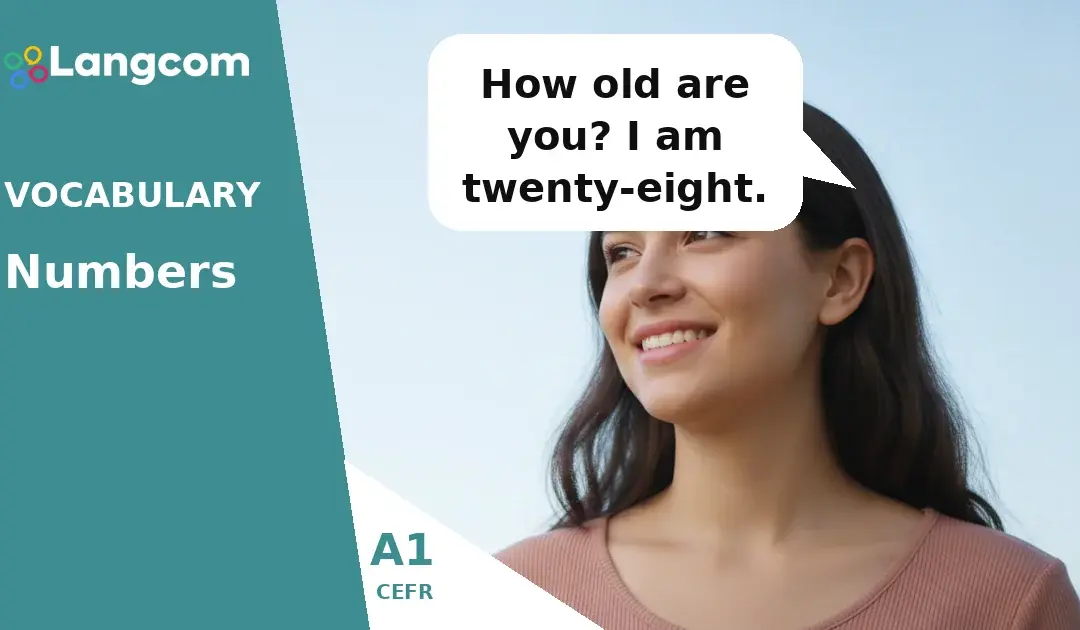
To talk about age in English, you always use the verb to be, not to have. This is a common mistake for Spanish speakers. For example, you say I am 30 years old, not I have 30 years old. To ask someone’s age, use the question How old…?, like How old are...
por Raúl | jul 25, 2026 | A1 Inglês para Iniciantes
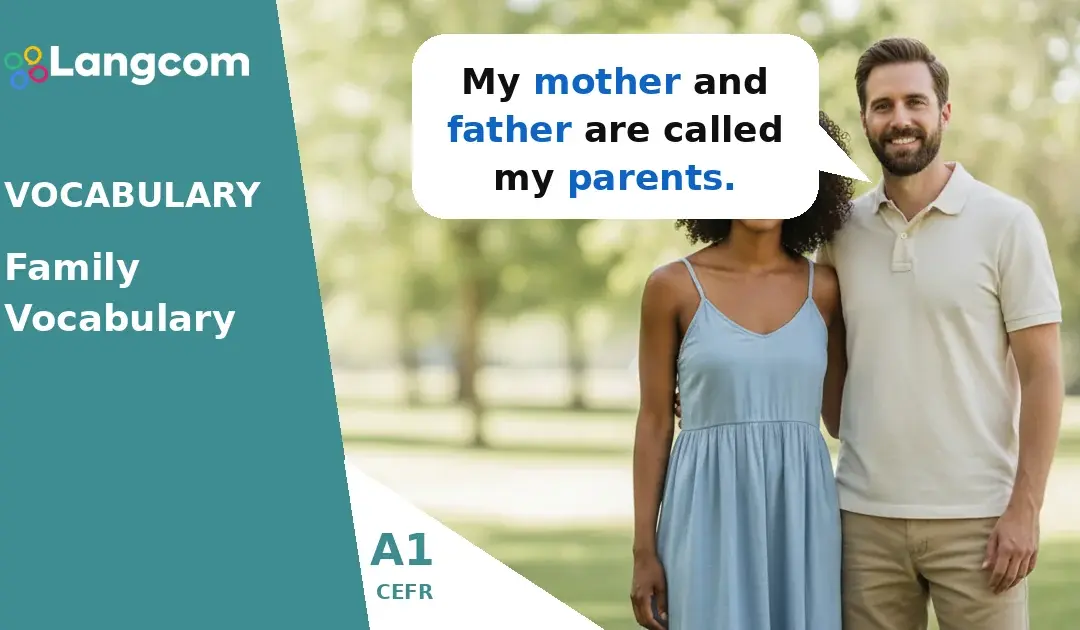
Learning family vocabulary helps you talk about the most important people in your life. In English, we have specific words for each family member, like mother, father, brother, and sister. Understanding these words is a key step for A1 English learners to describe...
por Raúl | jul 25, 2026 | A1 Inglês para Iniciantes
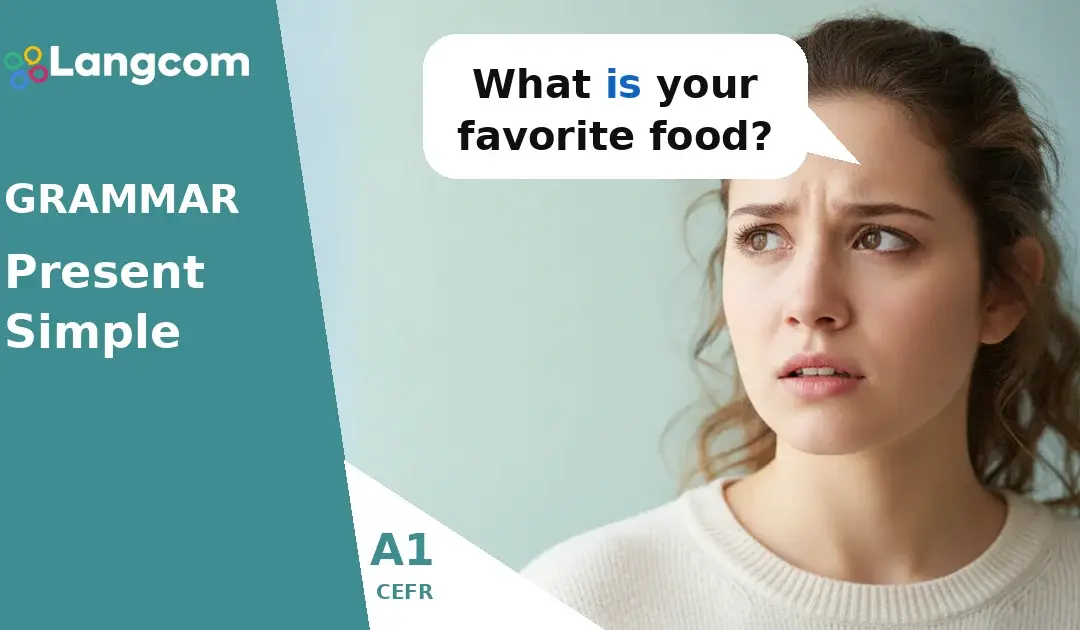
Wh- questions ask for specific information in English and always start with a ‘Wh- word’ like What, Where, When, Who, or Why. These questions help you learn more details than a simple ‘yes’ or ‘no’ answer. For example, instead of...
por Raúl | jul 25, 2026 | A1 Inglês para Iniciantes
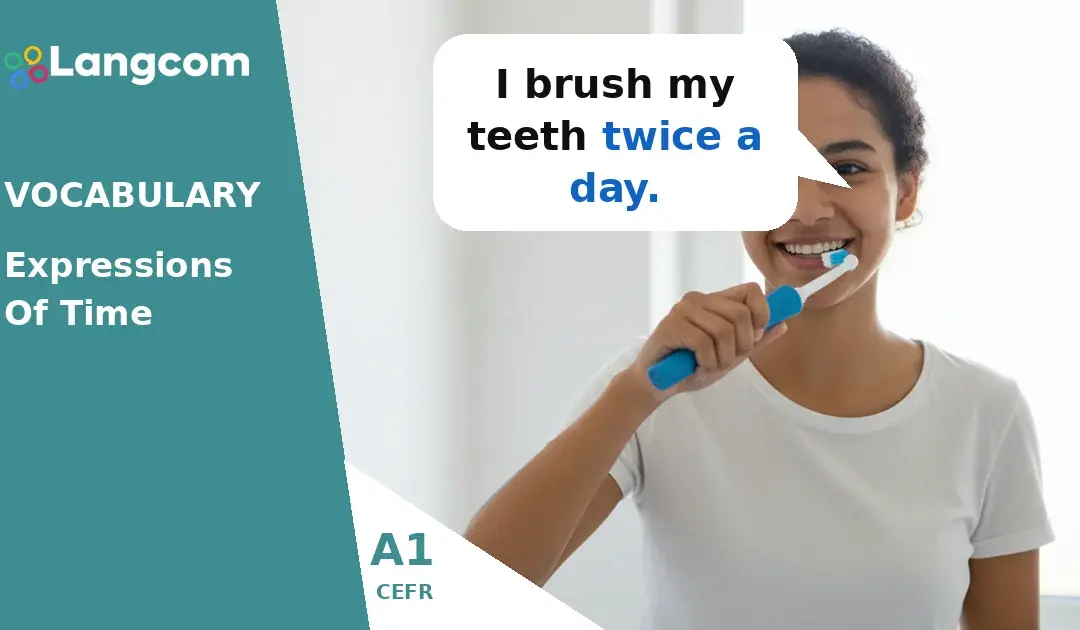
To talk about how often you do something in English, use simple time expressions like once a week, twice a month, or every day. These phrases help you describe the frequency of your actions clearly. For example, you can say I play football once a week or She drinks...

por Raúl | jul 25, 2026 | A1 Inglês para Iniciantes
Adverbs of frequency like always, usually, often, and never tell us how often something happens. In English, their position in a sentence is very important for clear communication. There are two main rules to remember for A1 English. First, for most verbs (like eat,...

por Raúl | jul 23, 2026 | A1 Inglês para Iniciantes
The letters ou in English can make different sounds. This is common in English pronunciation! For A1 learners, it’s important to know the three main sounds of ou to speak more clearly. First, ou often sounds like ow in cow. You hear this in words like house,...
