

What Kinds of Food Go in a Lunch Box?
A lunch box can hold many different types of food and drinks. People choose items that are easy to carry and eat, and that provide energy for the day.
Understanding these basic words helps you talk about what you eat and what you like.
✍️ Not sure which level you are?
Take our free placement test and get personalized feedback from certified Cambridge examiners.
Take our FREE Placement TestMain Dishes and Savoury Snacks
These are often the main part of a lunch. They can be filling and give you energy.
- A sandwich is a very common lunch item, usually made with bread, meat, cheese, or vegetables.
- You might also have chicken, which is a type of meat, often cooked and put in a sandwich or salad.
- Rice is a grain that can be part of a main meal, sometimes with chicken or vegetables.
- A salad is a mix of raw vegetables, like lettuce and tomato, often with other ingredients like chicken or cheese.
- Cheese is a dairy product, popular in sandwiches or as a snack.
Sweet Treats and Fruits
Many people like to include something sweet or a piece of fruit in their lunch box. These items are often for a quick energy boost or a dessert.
- An apple is a popular fruit, easy to carry and healthy.
- A banana is another common fruit, soft and full of energy.
- Biscuits are small, sweet baked items, similar to cookies.
- A piece of cake is a sweet baked dessert, often for a special treat.
- Ice cream is a frozen sweet dessert, usually eaten with a spoon. It’s less common in a typical lunch box unless it’s kept very cold.
Drinks for Your Lunch
Staying hydrated is important, so a drink is essential in a lunch box.
- Water is the healthiest and most common drink.
- Orange juice is a popular fruit drink made from oranges.
- Lemonade is a sweet drink made with lemons, sugar, and water.
| Food Type | Examples |
|---|---|
| Main Meal | sandwich, chicken, rice, salad |
| Dairy | cheese |
| Fruits | apple, banana |
| Sweet Snacks | biscuits, cake, ice cream (if kept cold) |
| Drinks | water, orange juice, lemonade |
Examples
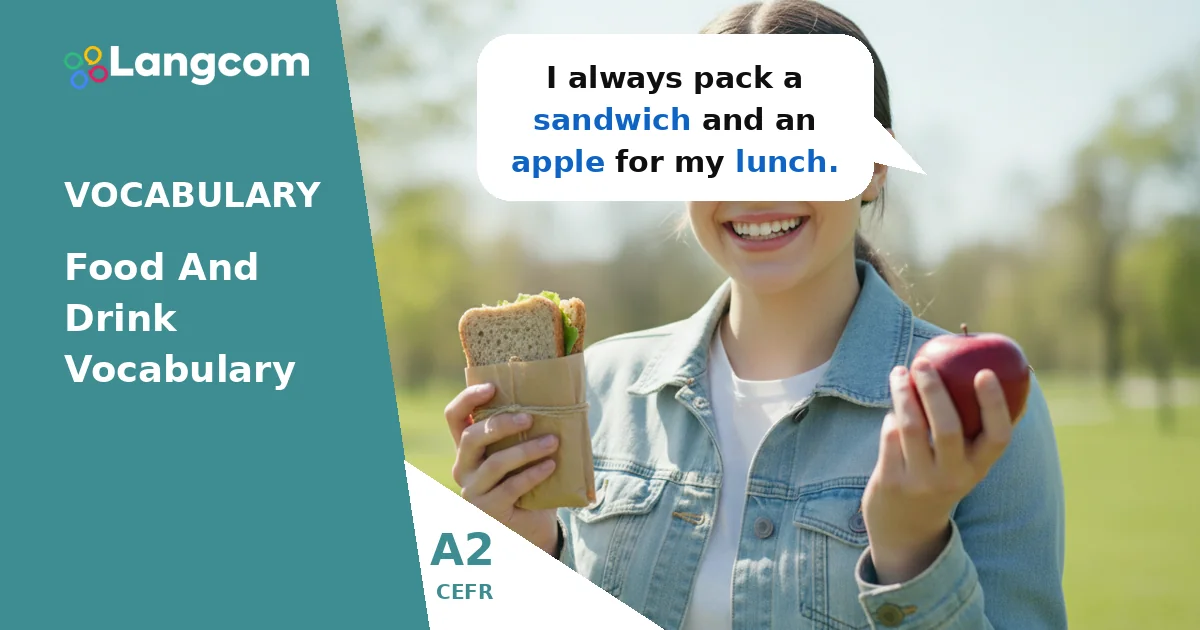
- I always pack a sandwich and an apple for my lunch.
- My sister likes to drink orange juice with her chicken and rice.
- For a treat, I sometimes have biscuits or a small piece of cake.
- Don’t forget to put water in your lunch box!
- She made a fresh salad with cheese for her picnic.
Practice
Ready to earn your certificate?
Langcom prepares students for Cambridge, IELTS, TOEFL, DELE, SIELE and Michigan exams.
Get started with LangcomCommon mistakes for Spanish speakers
Spanish speakers sometimes make specific mistakes with food vocabulary due to direct translation or differences in countable/uncountable nouns.
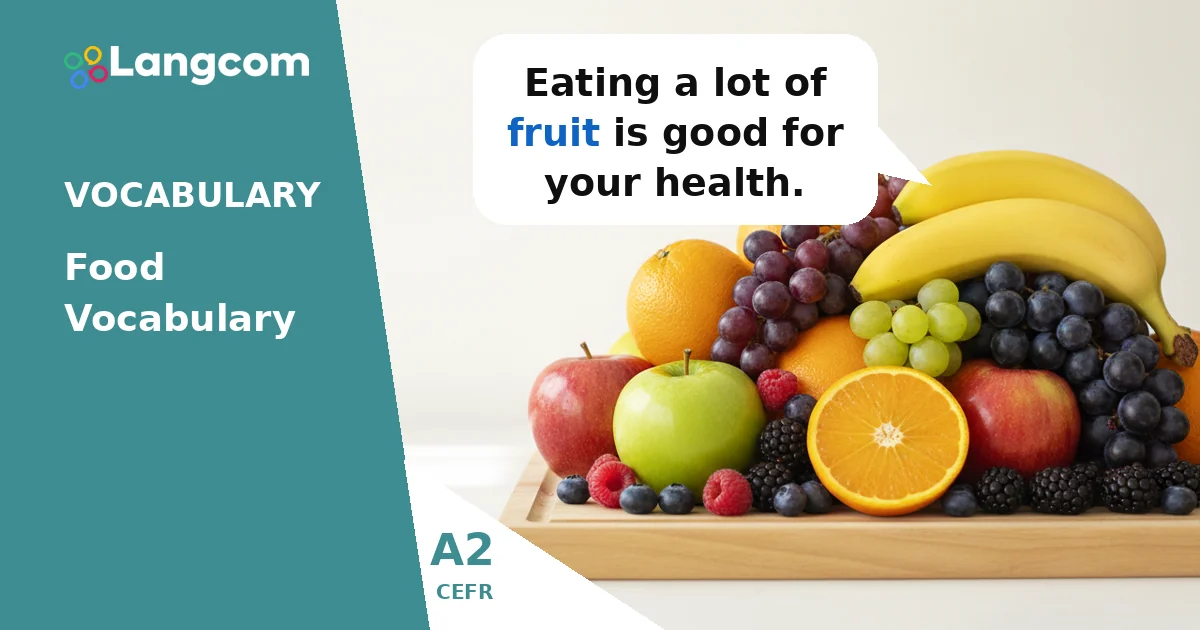
- Fruit vs. Fruits: In English, fruit is usually uncountable when talking about fruit in general (e.g., I like fruit.). You say an apple or a banana. You can use fruits when talking about different *types* of fruit (e.g., There are many different fruits in the market.).
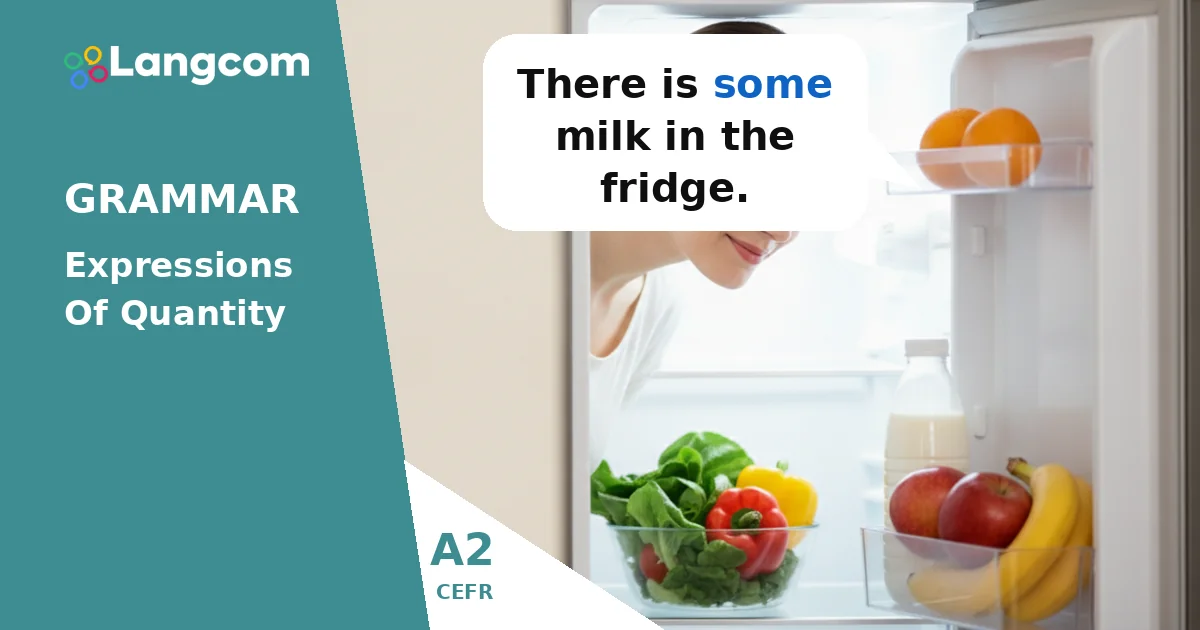
- Cheese: Cheese is usually uncountable (e.g., I want some cheese.). You don’t say a cheese for a single piece, but rather a slice of cheese or a piece of cheese.
- Biscuits vs. Cookies: In British English (common in exams like A2 Key), biscuits are sweet baked items. In American English, these are often called cookies. Both are correct, but biscuits is more common in the UK context.
Frequently asked questions
What is a ‘lunch box’?
A lunch box is a special container, often made of plastic or metal, that people use to carry food and drinks for their lunch, usually to school or work. It keeps the food safe and sometimes cool.
Is ‘fruit’ countable or uncountable?
Generally, fruit is an uncountable noun in English when you are talking about it as a type of food (e.g., I eat a lot of fruit.). However, you can use fruits as a countable noun when you mean different *types* of fruit (e.g., apples, bananas, oranges are all fruits.).
How is this vocabulary useful for the A2 Key (KET) exam?
This lunch box vocabulary is very useful for the A2 Key (KET) exam, especially in the Reading and Writing parts (e.g., understanding short texts about food) and the Listening part (e.g., hearing people talk about what they eat). You might need to identify food items in pictures or descriptions.
Can I put ‘ice cream’ in a lunch box?
You can put ice cream in a lunch box if you have a special insulated one with an ice pack to keep it frozen. Otherwise, it will melt quickly. It’s usually a dessert eaten at home or bought from a shop.


0 Comments