by Raúl | Jul 25, 2026 | A1 Beginner English
Learning family vocabulary helps you talk about the most important people in your life. In English, we have specific words for each family member, like mother, father, brother, and sister. Understanding these words is a key step for A1 English learners to describe...
by Raúl | Jul 25, 2026 | A1 Beginner English
Wh- questions ask for specific information in English and always start with a ‘Wh- word’ like What, Where, When, Who, or Why. These questions help you learn more details than a simple ‘yes’ or ‘no’ answer. For example, instead of...

by Raúl | Jul 25, 2026 | A1 Beginner English
To talk about how often you do something in English, use simple time expressions like once a week, twice a month, or every day. These phrases help you describe the frequency of your actions clearly. For example, you can say I play football once a week or She drinks...

by Raúl | Jul 25, 2026 | A1 Beginner English
Adverbs of frequency like always, usually, often, and never tell us how often something happens. In English, their position in a sentence is very important for clear communication. There are two main rules to remember for A1 English. First, for most verbs (like eat,...
by Raúl | Jul 25, 2026 | A2 Key (KET)
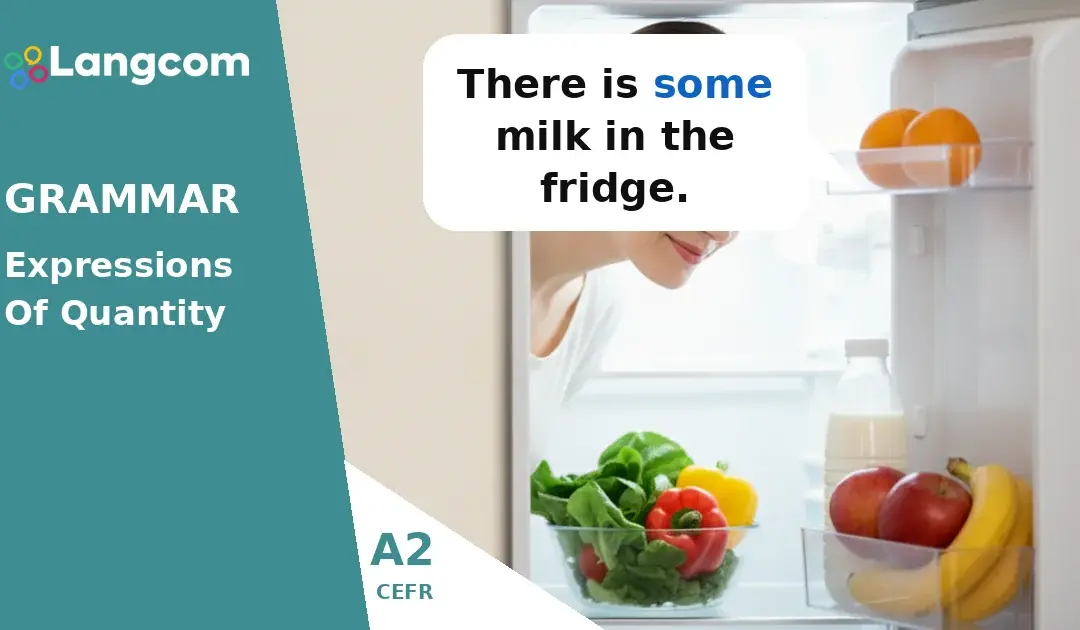
You use some in affirmative sentences and for offers or requests. You use any in negative sentences and most questions. These words are called quantifiers. They tell us about the amount or number of something. We use them with both countable nouns (things you can...
by Raúl | Jul 25, 2026 | B2 Upper Intermediate English
Mastering verbs of effort helps you describe how you try, manage, and succeed in English. These B2-level verbs are essential for discussing challenges, projects, and personal growth, making your communication more precise and natural. They allow you to express the...
