por Raúl | 18 de julio de 2026 | Inglés para principiantes (nivel A1)
To tell the time in English clearly, focus on pronouncing numbers and key words like o’clock, past, and to. For exact hours, say It’s [number] o’clock. For example, It’s five o’clock. Remember to pronounce the ‘o’ in...
por Raúl | 18 de julio de 2026 | Inglés para principiantes (nivel A1)
Consonant clusters are groups of two or more consonant sounds together in a word, like st in stop or nd in hand. These groups of sounds are very common in English and pronouncing them clearly is important for good communication. Unlike some languages, English often...
por Raúl | 18 de julio de 2026 | Inglés para principiantes (nivel A1)
To ask about someone’s ability in English, we use Can at the beginning of the question. This word helps us talk about what people know how to do, like Can you swim? or Can she speak English? The structure is simple: Can + subject + base form of the verb. For...
por Raúl | 18 de julio de 2026 | Inglés para principiantes (nivel A1)
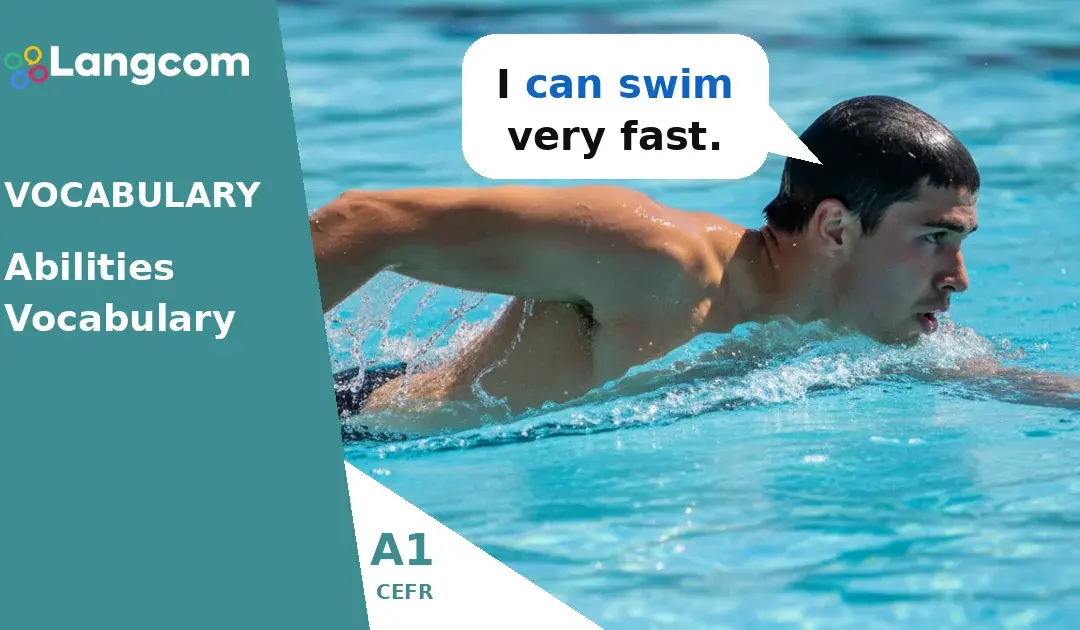
To talk about what you know how to do or what is possible for you, use the word can in English. This simple word helps you express your skills and talents. For example, if you know how to prepare food, you can say I can cook. If you don’t have a particular...
por Raúl | 18 de julio de 2026 | Inglés para principiantes (nivel A1)
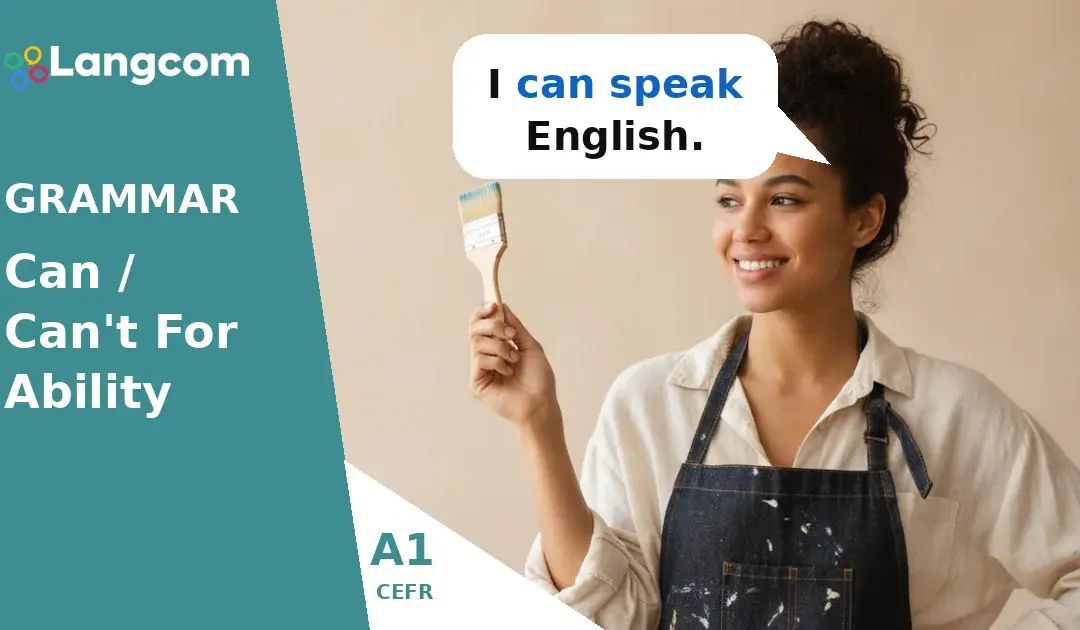
To talk about what you are able to do, or what is possible, use the English word can. For things you are not able to do, or that are not possible, use can’t. Can is a special verb called a ‘modal verb’. This means it does not change its form for...
por Raúl | Jul 17, 2026 | Inglés para principiantes (nivel A1)
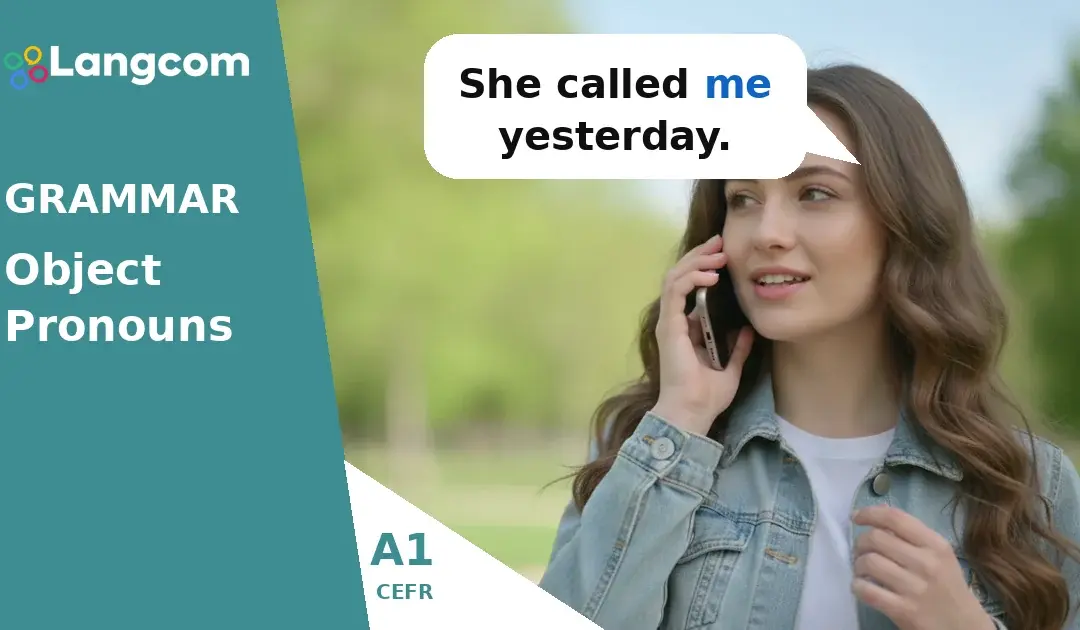
Object pronouns are small words like me, you, him, her, it, us, and them. We use them to replace nouns that receive the action of a verb or come after a preposition. For example, instead of saying I see John, you can say I see him. The pronoun him is the object. They...
